Every Flight in America, Grounded
A communications failure stopped the entire U.S. sky for four hours on Friday — and the airlines' waiver clock is already running
On Friday the FAA halted departures at every airport in the country. More than 6,700 flights were cancelled and 8,500 delayed before the stop lifted. The planes are moving again; the fine print that protects stranded travelers expires within days.

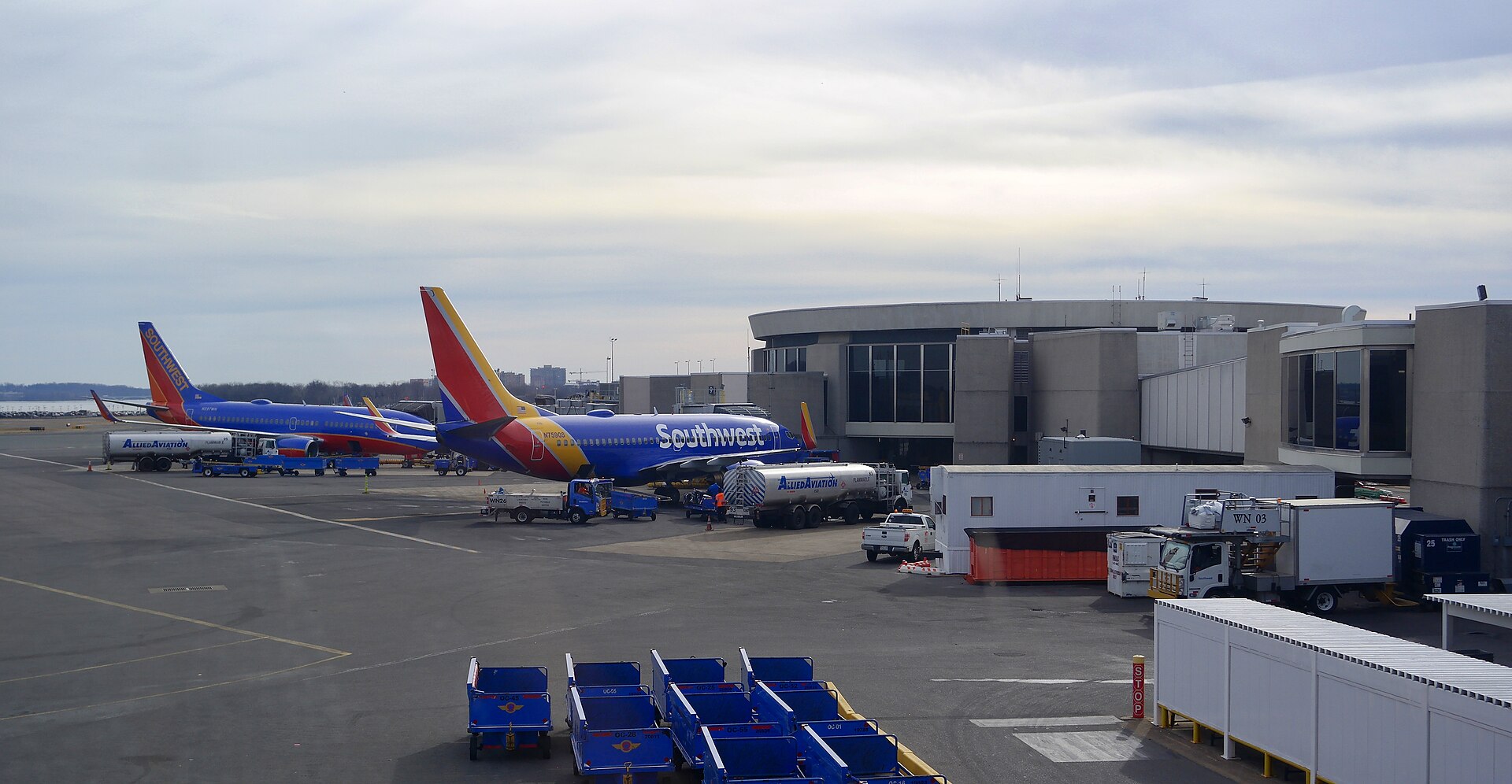
For more than four hours on Friday, November 13, no flight in America was allowed to leave the ground. The Federal Aviation Administration issued a nationwide ground stop for every U.S. airport after a communications failure struck all of the agency's Air Route Traffic Control Centers — the facilities that hand aircraft from one stretch of sky to the next. Transportation Secretary Sean Duffy confirmed the order Friday afternoon, citing "a communication issue impacting all Air Route Traffic Control Centers." The FAA described its grounds as "extraordinary circumstances" and "reasons of safety," and managed inbound international flights case by case while the stop held. Then, as abruptly as it began, it lifted, and the country's parked fleet began to move again.
The arithmetic of a stopped sky is not small. FlightAware counted more than 8,500 flights delayed and 6,756 flights to, from, and within the United States cancelled. Cirium, the aviation analytics firm, recorded 827 flights diverted in mid-journey — 670 of them, 81 percent, turned back to the airport they had left, and 157 landed somewhere they had never intended to be. Behind each of those numbers sits a gate area, a crew timing out, a connection dissolving. Homeland Security Secretary Markwayne Mullin told reporters there was "no indication as of yet that this was a nefarious attack" — "it's just a telecommunications outage as of now."
The order has happened twice before in the modern era. On the morning of January 11, 2023, an outage in the Notice to Air Missions system — the pilot-notification network — brought the same standstill for several hours. Before that, the last nationwide ground stop was September 11, 2001. A system that moves roughly 45,000 flights a day has now been halted three times in twenty-five years, twice by its own machinery failing.
The waiver clock is already running
The airlines moved quickly to soften the landing, but their flexibility comes with expiry dates, and the first of them arrives Monday. Southwest's waiver covers travel from November 13 through November 16: affected passengers may rebook, or fly standby, within five days on the same city pair with no fare difference — or take a refund instead. Delta's waiver covers flights on November 13 and 14, with rebooked travel to be completed by November 21. American, United, and JetBlue issued similar waivers on comparable terms. Under U.S. Department of Transportation rules, any passenger whose flight is cancelled — for any reason, on any ticket, including a nonrefundable one — is entitled to a prompt refund if they decline the alternative the airline offers. That right does not expire with the waivers.
What it means for you
If your flight was cancelled Friday, the refund is yours by rule, not by courtesy — take it in money, not credit, if the trip no longer works. If you are inside a waiver window, rebook inside it: Southwest's travel window closes November 16, and Delta's rebooked trips must be finished by November 21. And if you are simply flying this weekend, check your flight before you leave for the airport. A fleet that spent Friday afternoon parked does not sort itself out overnight — aircraft and crews begin Saturday in the wrong cities, and the last of the ripple runs through the weekend.
Sources: FAA advisory and statements by the Secretary of Transportation, November 13, 2026; reporting by AFAR and TravelPulse, November 13, 2026; flight figures from FlightAware and Cirium.