The Quiet Side
Port Antonio, the Banana Port That Tourism Forgot — and Kept
Banana boats made it famous, Errol Flynn made it glamorous, and the resort map mostly left it alone. Portland is Jamaica as it was — rivers, lagoons, and the island's greenest coast.
Every Jamaica itinerary argues about the west and the north — Montego Bay, Negril, Ocho Rios. The island's east mostly declines to argue. Portland parish, with Port Antonio at its center, is the greenest, wettest, quietest corner of Jamaica: rivers coming down out of the Blue Mountains, twin harbors, and a coast that had its boom more than a century ago and has been unbothered ever since.
The banana capital of the world
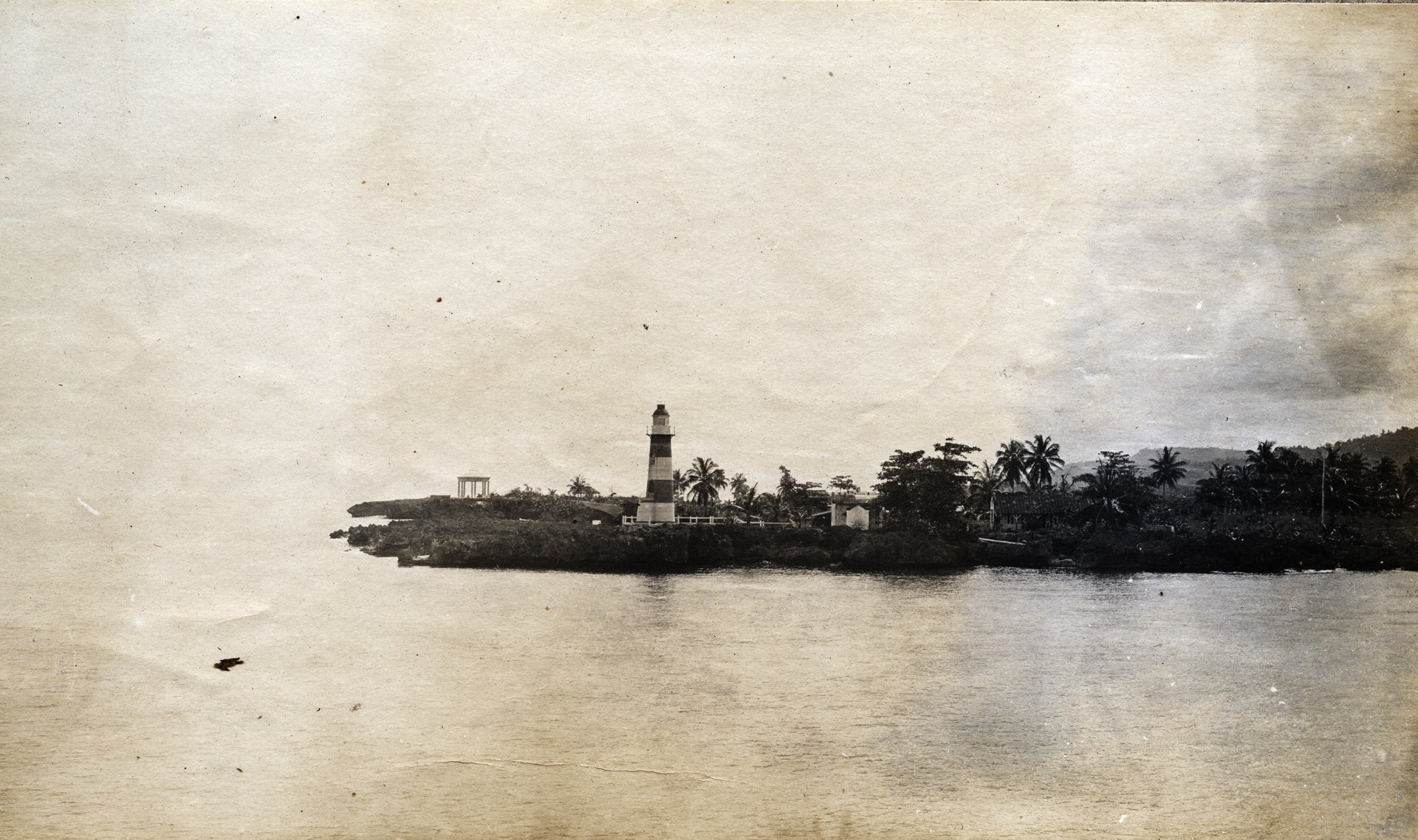
Port Antonio's first fame was fruit. In the late 1800s it was known as the banana capital of the world, and the banana boats made it one of the Caribbean's first tourist stops almost by accident — the ships needed paying cargo on the return leg, so the town was promoted to wealthy Americans and British as a destination, and they came. Fort George has watched the twin harbors from Titchfield Hill since 1729; the gingerbread houses on the hill are banana money, preserved.
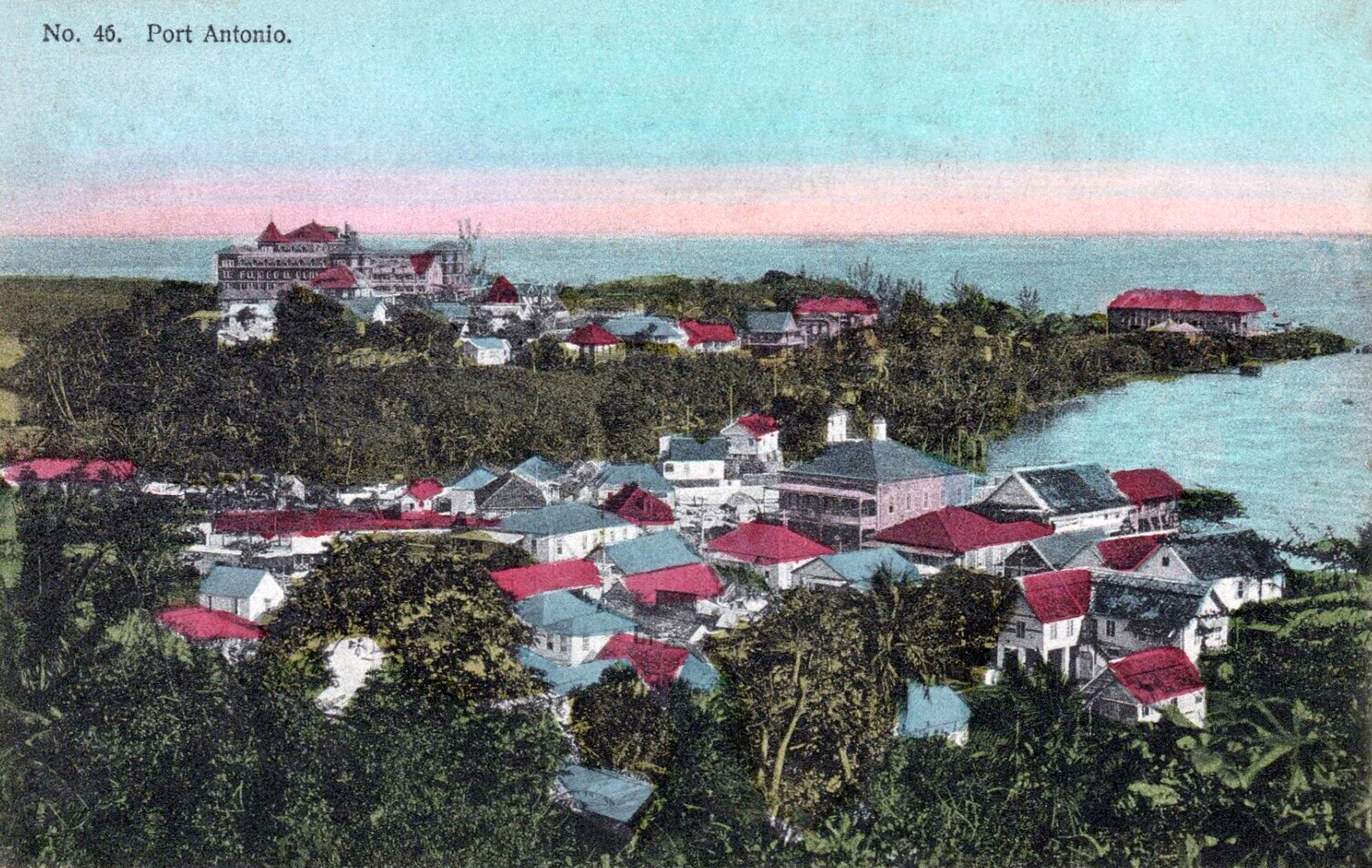
The era's monument is a ruin. Alfred Mitchell's sixty-room Folly Mansion stands above the East Harbour, its roofless shell a reminder of the money that once came through this port. Stories about why it fell apart belong to local legend; the ruin itself needs no embellishment.
The Flynn years
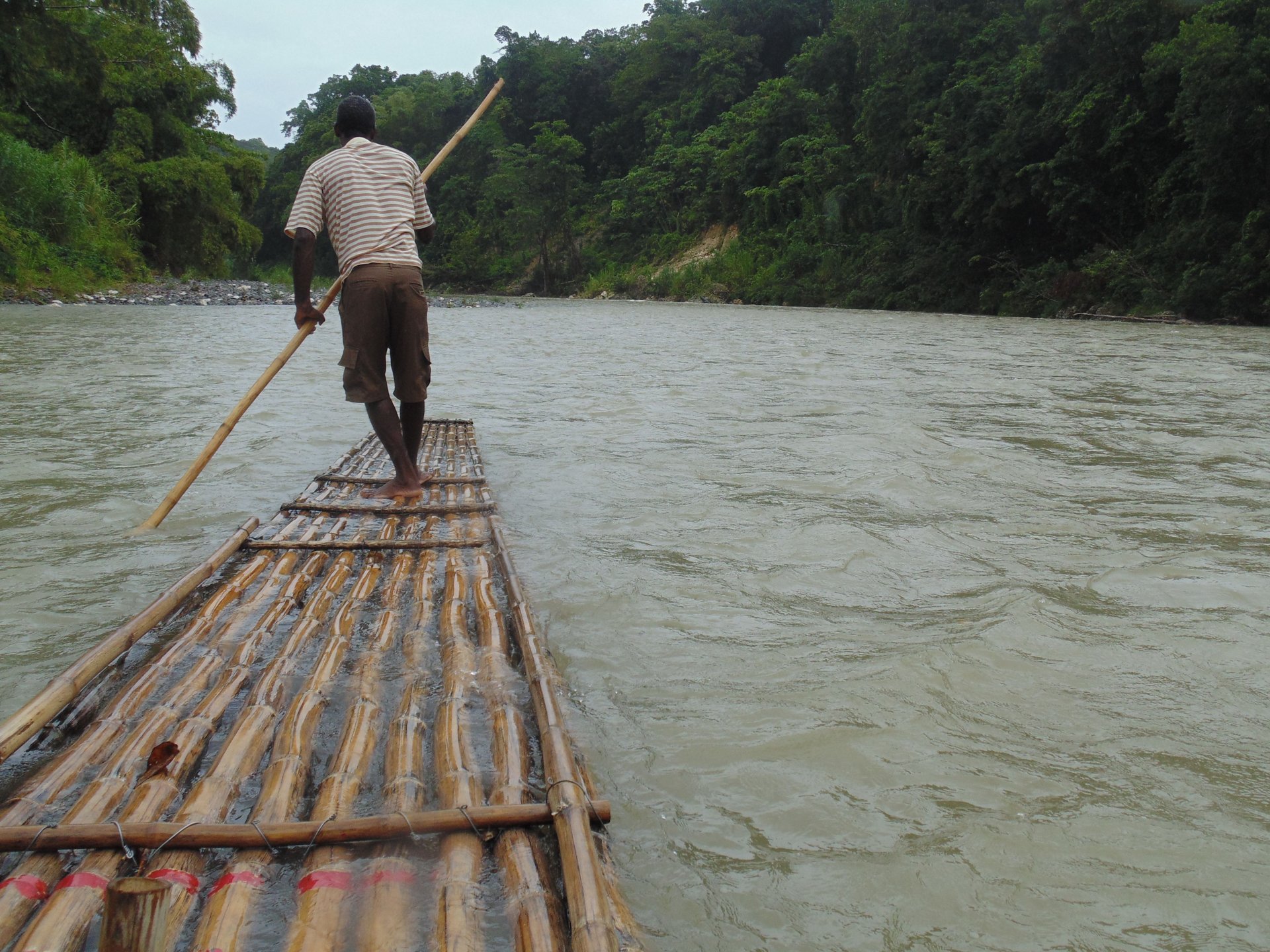
The banana trade faded in the 1940s, and Port Antonio's second act arrived in 1946 in the person of Errol Flynn, who bought 64-acre Navy Island in the harbor mouth and turned the town into Hollywood's quiet retreat. Flynn's most durable gift was an accident of leisure: the bamboo rafts of the Rio Grande had hauled bananas down from the interior for centuries, and Flynn popularized riding them for pleasure — two to three hours of slow green river that remains the parish's signature afternoon. The Jolly Boys, a Port Antonio mento group associated with Flynn's era, later enjoyed a widely heard revival with their 2010 album.
The cove's all-inclusive claim
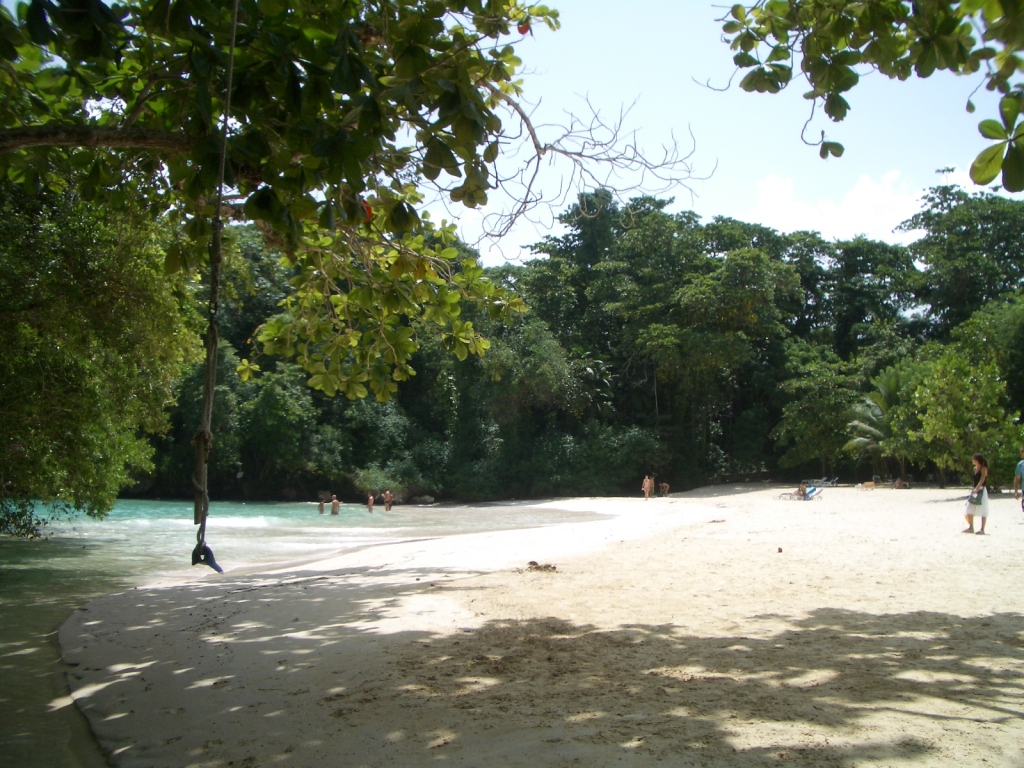
Portland's strangest legacy sits in a river-fed cove east of town. Construction began in 1958, and Frenchman's Cove itself says the resort opened for its first full season in 1962 as the first all-inclusive resort in the Caribbean "and quite possibly the world" — a claim the property makes about itself, not an independently settled record, but a notable one from a hotel this small. The guest list is said to have run from Queen Elizabeth II to Elizabeth Taylor and Richard Burton, the Beatles, and Ian Fleming. The cove itself stayed small: today it is a modest entry fee, a river sliding into the sea, a rope swing, and a jerk hut on the sand.
The water
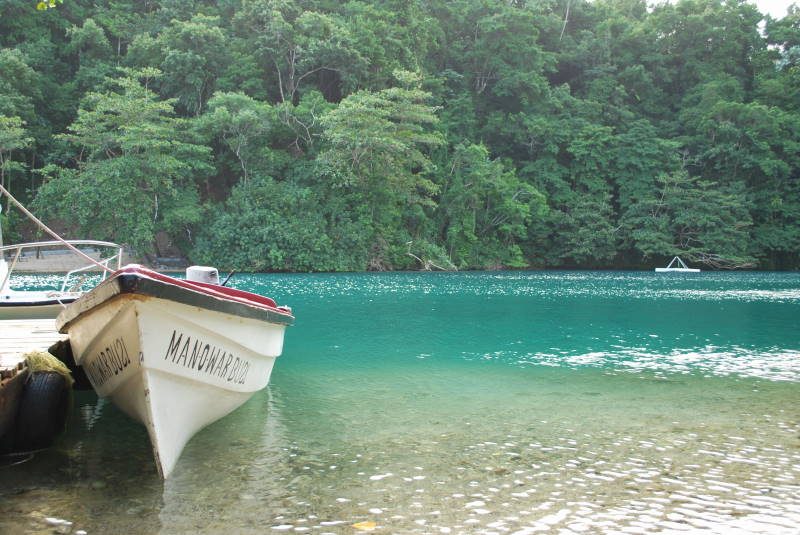
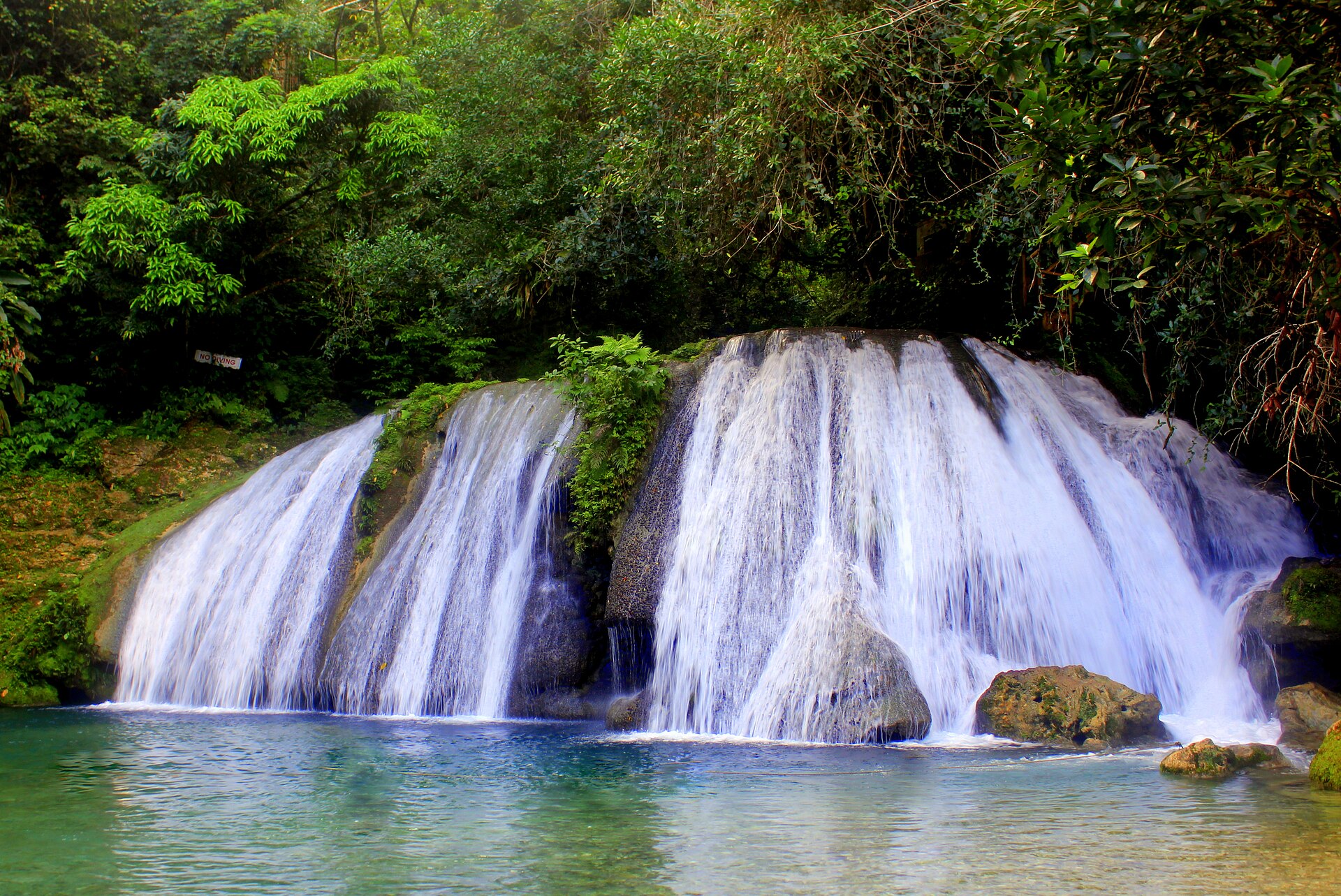
Everything in Portland runs downhill to the sea. Frenchman's Cove is the beach the rest of the Caribbean gets measured against — a freshwater river sliding across white sand into a sheltered cove. Reach Falls climbs the Drivers River in cascades to a cave behind the water. Boston Bay, half an hour east, pairs the island's best surf break with its most famous fire. And seven miles out of town sits the Blue Lagoon, 180 to 200 feet of spring-fed blue. For the coast's beloved opposite, there is Winnifred Beach — free, local, and proudly community-run, the way Jamaica's beaches used to default.
Why it stayed quiet
The resort map went west because the airport did — Sangster grew at Montego Bay and the all-inclusive corridor followed it. Portland kept the rain, the rivers, and the pace. That is not a deficiency in the place; it is the reason to go. Port Antonio still feels like a working town, with a distinctive coastal history, rather than a conventional resort corridor.
Things to do in Port Antonio